Shoulder Season Is the Whole Trick
There is one travel decision that outperforms every other — better than the hotel you pick, better than the restaurant list, better than the airline. It is the date on the ticket. And almost everyone gets it wrong in the same direction, at the same time, on purpose.
The July problem
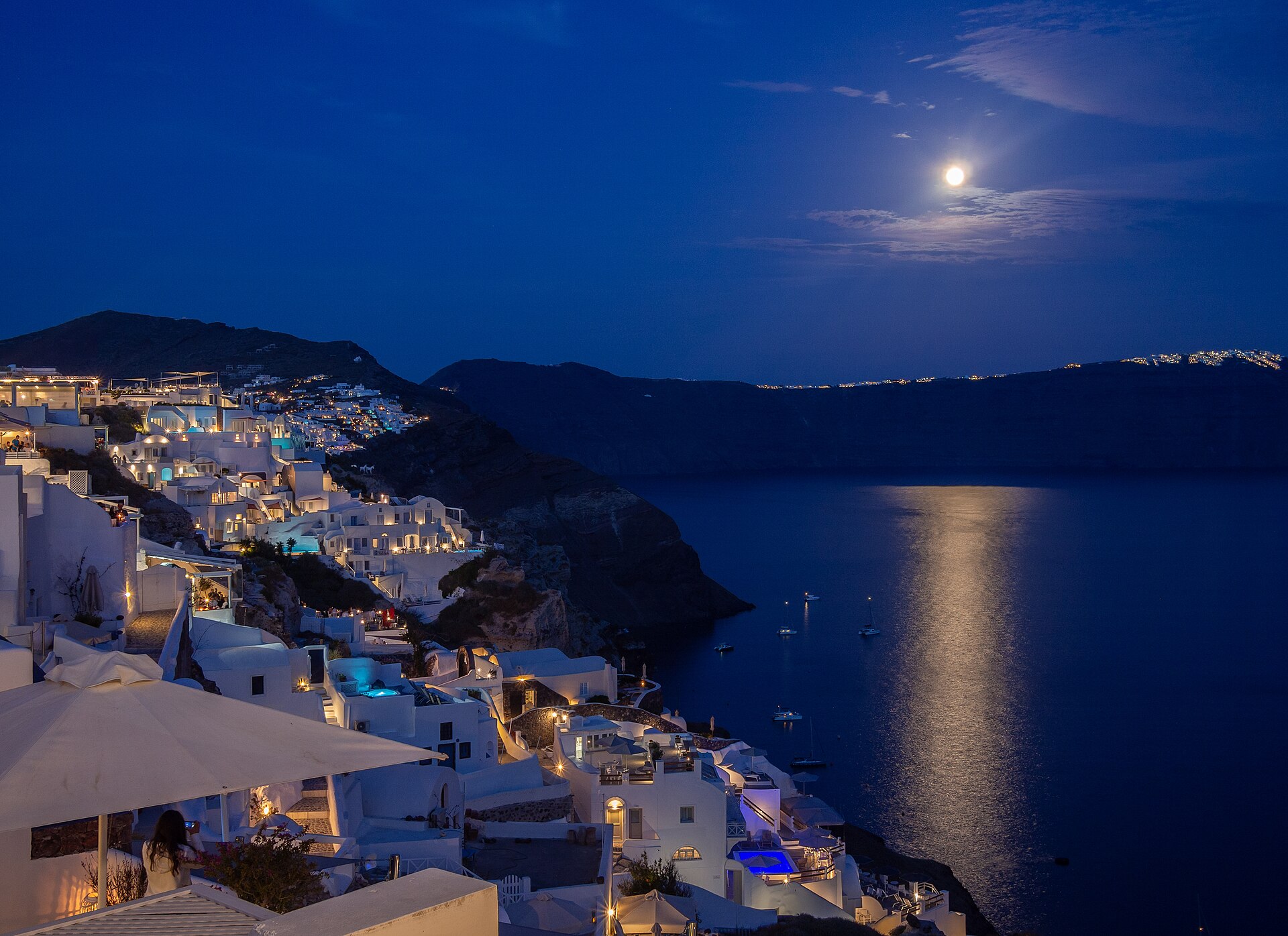
Consider Santorini in early August. The caldera is still one of the great sights on Earth — a 300-meter cliff crowned in whitewash above a drowned volcano. It is also 34°C, the Fira lanes move at shuffle speed, sunset in Oia is a standing-room event with elbows, and a caldera-side room costs what a used car costs. None of this is a secret. People book it anyway, because the calendar says summer and the office says now.
Now move the same trip to the last week of September. The sea is at its warmest of the year — water temperature lags air temperature by two months, a fact that should be printed on every booking site and is printed on none. The cruise crowds thin. The room drops 30–45%. The view is identical. You have not compromised; you have simply stopped paying a premium to be crowded.
Lisbon runs the same play
Lisbon in July is hot, cruise-heavy, and queued. Lisbon in late September is beach weather with breathing room; in October the light goes honey-colored and the miradouro kiosks are yours. Even January works — mild enough for café terraces, and the city at its most local. The pastel de nata does not have a season.
How to actually do this
- Chase the water, not the calendar. For any coastal place, the sea peaks in September. Book the month after the crowds, not the month of them.
- Check what closes. Shoulder has edges. Much of Santorini hibernates from November; parts of Rome close for ferragosto in August (which is technically peak — the exception that proves nothing). Our destination pages chart this month by month, because "best time to go" should be a graph, not a vibe.
- Accept one trade. Shoulder season means a nonzero chance of a grey day. In exchange you get the place roughly as it is, instead of the place under maximum load. This is the whole bargain, and it is lopsided in your favor.
- Book the splurge in shoulder. The caldera suite, the riad with the pool, the room with the view — these drop the most, in absolute dollars, outside peak. Shoulder season is when luxury is closest to rational.
Peak season is not when a place is best. It is when it is most agreed upon.
The honest caveat: if your trip is built around one dated thing — cherry blossoms, Mardi Gras, the Inca Trail's dry months — go when the thing happens and pay the toll cheerfully. Fixed events are the legitimate exception. Everything else — the beach, the museum, the old town, the long lunch — is better in the second-best month, at the second-best price, with a first-rate absence of everyone who read the same top-ten list.
Every destination we cover has a month-by-month score and an honest sweet spot. Start with Santorini and Lisbon — the two clearest cases we know.