The Cusco Altitude Survival Guide
The most important fact about Cusco fits in one sentence: the airport sits at 3,400 meters, which means the moment the cabin door opens you are breathing roughly a third less oxygen than you were at breakfast. Your itinerary does not care about this. Your body absolutely does, and it will file its complaint within 24 hours if you ignore it.
What soroche actually feels like
Altitude sickness — soroche, locally — is not exotic. For most people it is a dull headache, broken sleep, stairs that feel personal, and an appetite that quietly leaves the building. Unpleasant, manageable. For an unlucky minority it is worse, and the single predictor that matters most is not fitness. Marathoners get flattened while their sedentary friends feel fine. The predictor is how fast you ascended and how hard you pushed on arrival. That part you control.
The 72-hour plan
Day one: be boring on purpose
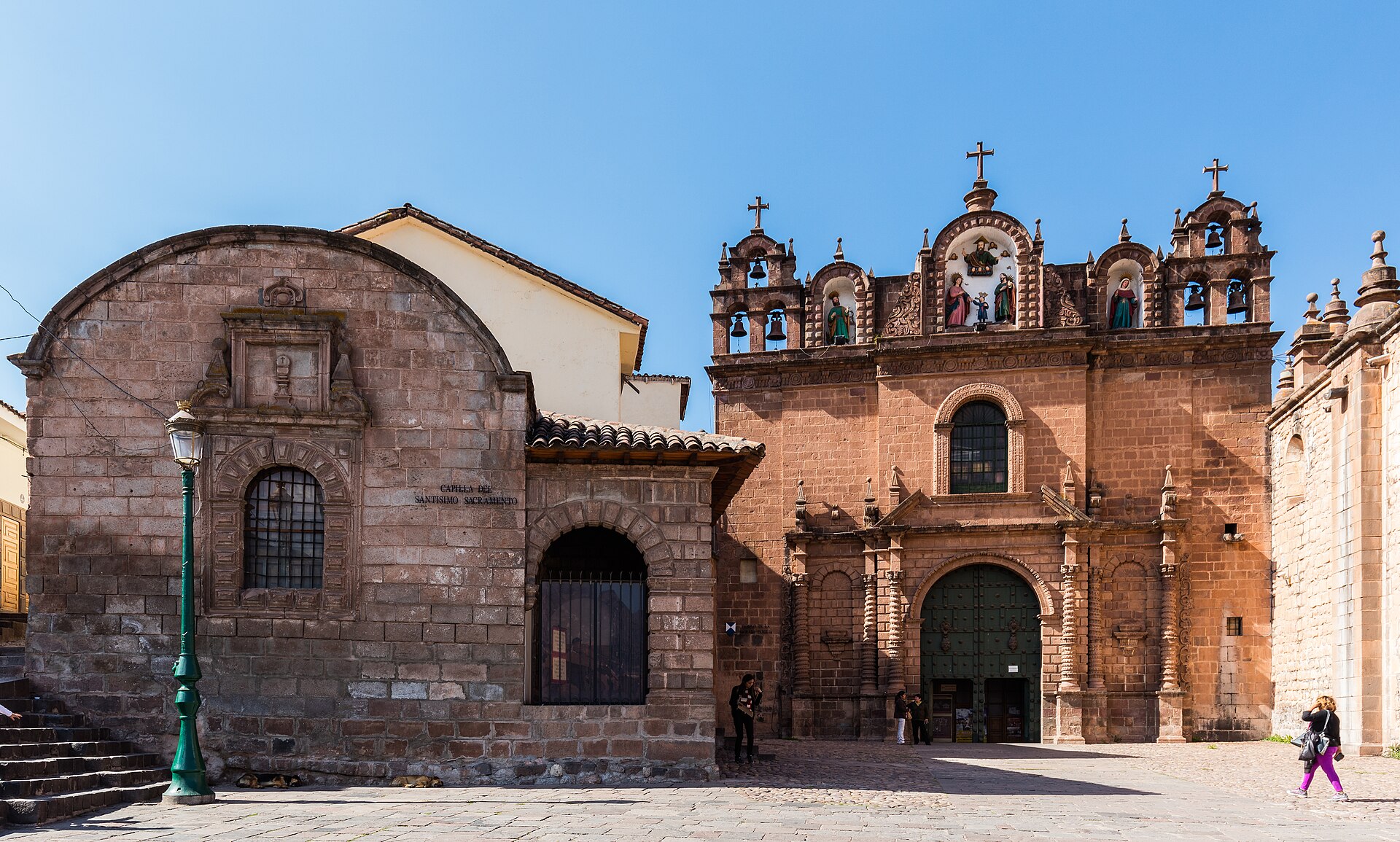
Your only jobs are water, a slow walk, and an early night. Check in, drink the coca tea your hotel offers (it helps modestly and is a lovely ritual either way), and eat light — the local wisdom about small dinners at altitude holds up. No alcohol tonight; it reads as a double dose up here. The Plaza de Armas at golden hour is spectacular and completely flat. That is your whole evening.
Day two: go lower, cleverly
Here is the trick most itineraries miss: the Sacred Valley sits 600 meters below Cusco. Spending day two in Pisac or Ollantaytambo means you are sightseeing and acclimatizing at the same time — terraces, markets, Inca masonry, all at friendlier air pressure. Some travelers sleep in the Valley for the first two nights and only move up to Cusco after. It is the single smartest routing decision available in Peru.
Day three: test the legs
Climb to San Blas, coffee at the top, and see how you feel. If the answer is "fine," you are cleared for bigger things. If the answer is "grim," give it one more easy day — the rainbow mountain treks go over 5,000 meters and are not the place to find out you rushed it.
The honest kit list
- Acetazolamide: talk to a doctor before you fly. It genuinely speeds acclimatization; it is not cheating, it is chemistry.
- Ibuprofen: handles the standard-issue headache.
- Water: more than feels reasonable. The air is desert-dry and you dehydrate just by breathing.
- Coca tea and coca candies: mild, legal there, pleasant. Note they can trigger certain drug tests weeks later — relevant for some professions, worth knowing.
- Sunscreen: the UV at 3,400m is ferocious even when it is cold. Cusco sunburn is a rite of passage nobody needs.
When to actually worry
A headache that ignores painkillers, vomiting, confusion, or breathlessness at rest are past the DIY line. Cusco's clinics see altitude cases every single day and handle them well; descending even 500 meters produces improvement that feels like magic. Do not tough it out to protect an itinerary.
Walk slowly uphill like the locals do. They are not tired. They are correct.
Machu Picchu, mercifully, sits a full kilometer lower than Cusco — by the time your permits date arrives, it will feel like sea level. Plan the whole arc on our Cusco page, and book the trek for day four, never day two.